.png)


Manual/Massage Therapy Techniques
Massage Therapy
What is Massage Therapy?
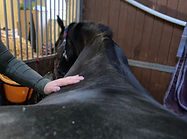
Massage therapy is one of the most commonly used and well-loved techniques in veterinary physiotherapy. It involves the manual manipulation of soft tissues — including muscles, tendons, and fascia — to improve comfort, flexibility, and overall wellbeing.
Just like in people, massage can help animals feel more relaxed, move more freely, and recover more efficiently after injury, surgery, or exercise. It’s gentle, non-invasive, and completely tailored to your pet’s individual needs.
How Does It Work?
Massage therapy works by improving circulation, encouraging lymphatic drainage, and helping to release areas of tension or stiffness within the muscles. This not only promotes relaxation but also supports the body’s natural healing processes by:
Increasing oxygen and nutrient delivery to tissues.
Aiding the removal of waste products such as lactic acid.
Reducing muscle tightness and pain.
Supporting joint mobility and posture.
Massage Techniques Used in Physiotherapy
There are several different massage techniques that may be used during your pet’s session, depending on their condition, comfort, and response to treatment:
Effleurage – Long, gentle, gliding strokes used to warm up the tissues, improve circulation, and relax your pet. Often used at the start and end of a session.
Petrissage – A deeper kneading technique that helps to loosen tight muscles, improve flexibility, and encourage drainage of fluids.
Tapotement – A rhythmic, percussive technique involving light tapping or chopping motions with the hands. It helps to stimulate the muscles and nerves, increase circulation, and energise the tissues. This technique can be especially useful for warming up muscles before activity or reactivating muscles that have been resting.
Compression – Applying gentle pressure to soft tissues to increase blood flow and relieve muscle fatigue.
Friction – Small, circular movements used to break down adhesions or scar tissue and restore normal tissue mobility.
Trigger Point Release – Focused pressure applied to specific “knots” or tight spots within a muscle (known as trigger points) to help them release and relax. This can be particularly effective for relieving localised areas of tension and improving overall comfort and movement.
Passive Stretching – Gentle stretches performed by the physiotherapist to maintain or improve flexibility, often following massage to make the most of relaxed tissues.
Each session is adapted to your pet’s comfort and condition — some techniques may be light and soothing, while others are more focused and therapeutic.
Benefits of Massage Therapy
When used as part of a physiotherapy programme, massage can provide numerous benefits, including:
Pain relief and relaxation.
Improved muscle condition and flexibility.
Enhanced joint mobility and posture.
Reduced stiffness and recovery time after exercise or injury.
Improved circulation and lymphatic drainage.
Decreased stress and anxiety, supporting overall wellbeing.
What Does a Session Involve?
During your pet’s massage, they’ll be positioned comfortably and handled calmly and gently throughout. Most animals find massage incredibly relaxing — many will visibly unwind or even drift off to sleep during treatment.
Massage therapy is a key part of veterinary physiotherapy, not just for recovery, but also for maintenance and prevention — helping your pet stay comfortable, supple, and active for as long as possible.